



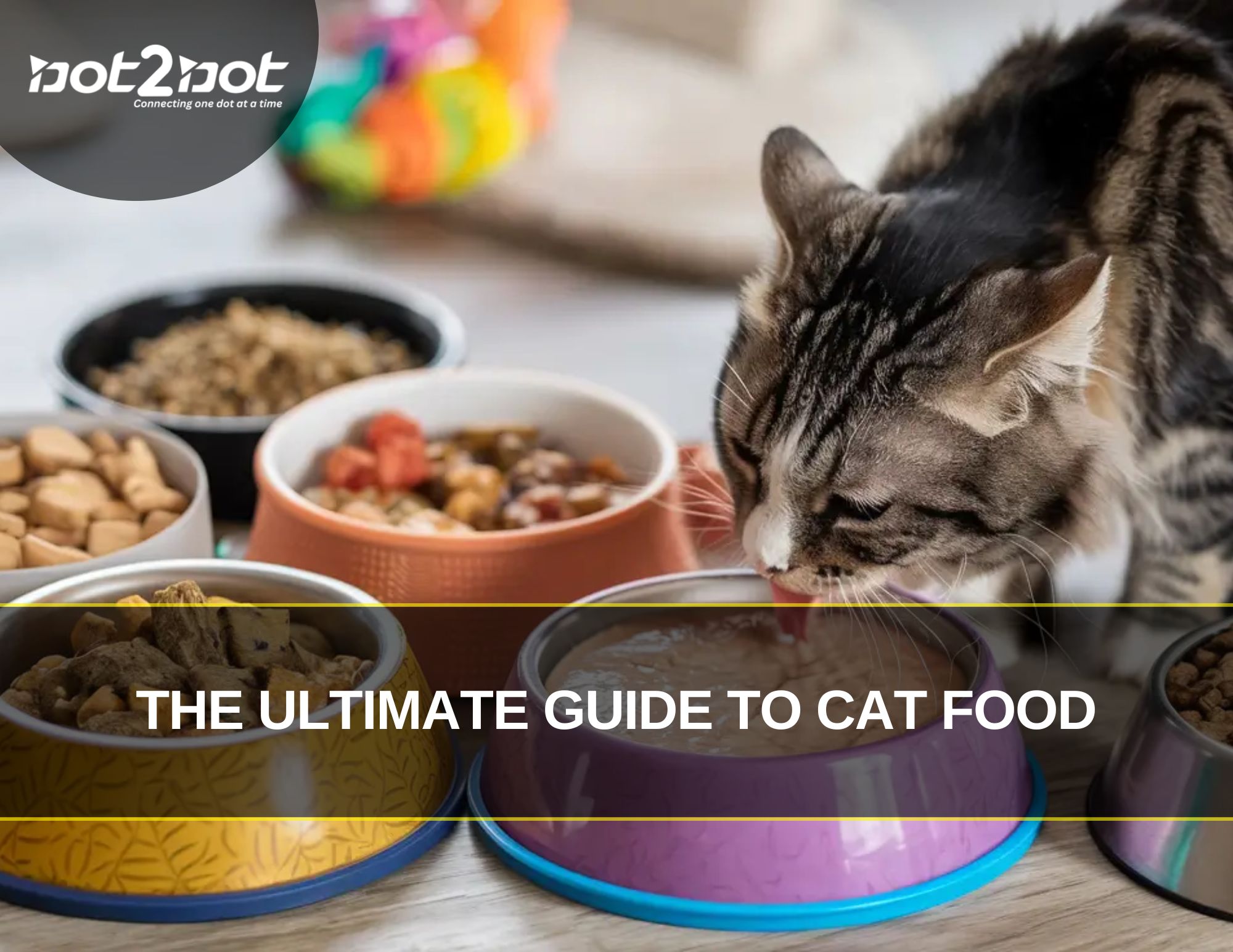
You may already be a God or Goddess to your furry friend, but how much do you really know about what they should and shouldn’t be eating?
Learn everything you possibly can about kitten food, adult cat food, and senior cat food with this Cat Food Bible, to help you make the purr-fect choice for your cat.
Introduction
No longer do our kitty-cats hunt for their prey in the wild, sneakily stalking them before they pounce and deliver a deadly bite. Our feline friends now rely solely on you, their hooman caregiver to provide them with a delicious and health-conscious diet to allow them to thrive.
That’s why it’s so impawtent to know what your cat should eat, what cat food is available on the market, and which type of cat food is the right one for your furry bestie.
There’s a whole lot of choice out there for cat food, from dry food to wet food, raw diets to gluten-free diets and an entirely new vocabulary to describe them all. But, the challenge really comes when trying to figure out which one is best for your cat.
That’s why we’ve created this Cat Food Bible, to help make choosing your cat’s food a more informed and easier process.
This guide is designed to cover every aspect of cat food, from the different types of cat food, to how to read a cat food label like a pro, to when to graduate your kitten from kitten food to adult cat food and everything in between. Recent studies have shown that pets fed to an optimum nutritional standard and kept in a lean condition can enjoy up to two more years of life! So if that means that all we have to do is feed our cats properly to get a whole 730 days of extra cuddles and kitty-cat kisses we’re in!
So, whether a new floof has just been added to your fur fam, or you’re dreaming of having a kitty-cat in the future, or even if you simply think your old tom could do with a diet change, this guide is for you.
Explore the chapters:
Chapter 1: The Different Types of Cat Food
With so many different types of cat food options out there and an array of differing opinions on which one is best, it can be overwhelming as to which type you should choose. Each type of cat food is made differently, stored differently, digested differently, and contains differing levels of macronutrients. That’s why we’re kicking off this bible by deep-diving into the 6 main types of cat food to start you off with your best paw forward on your learning journey.
Also known as cat biscuits, kibble, or in my family home cat nuts (I’m not really sure why…) dry cat food is undoubtedly the most popular form of cat food due to its convenience and low cost. As it is a dry form of cat food, it has a low water content, which gives it its crunchy texture. With this, make sure you keep your cat’s water bowl full if it’s only eating this type of cat food (it should always be kept full anyway of course).
2. Wet Cat Food (cooked)
Wet cat food has a higher water content and a lot more moisture than dry cat food giving it a wet…(duh) or pate-like consistency. Generally, it’s cooked by steaming the food inside the tray or can that it is served in, giving it its luxurious consistency fit for royal kitties. Many cats prefer wet food due to the more potent smell and soft texture making it a purr-fect option for even the fussiest of felines.As many of our domesticated kitties have lost their instinctual desire to keep their water levels high, wet cat food is a great way to keep your cat hydrated and often vets will suggest feeding your cat wet food if they think your cat isn’t drinking enough or if they have kidney issues.
Pros: Wet food is generally less processed than dry cat food and doesn’t need binding agents such as the carbs in dry cat food to keep it all together. This means that wet cat food often contains higher levels of protein or fat – perfect for keeping your cat healthy and purring. High water content also makes it great for keeping your cat hydrated, reducing the risk of developing kidney diseases and UTIs. Wet cat food can also be an effective way to hide worming tablets or other treatments rather than battling with your feisty feline.
Raw cat food or uncooked cat food, tends to come in wet form, however, there are some brands offering it as dry cat food by freeze-drying or air-drying it. Raw cat food recipes are usually high in animal meat, bones and offal which mimic what cats would hunt in the wild. As good as this sounds, there has been quite a lot of controversy surrounding raw feeding due to its high risk of salmonella outbreaks and cross-contamination with human food.
Pros: We can’t suggest any benefits of feeding your cat a raw diet as vets recommend against it. If you’re keen to try raw feeding, ensure that you opt for a FEDIAF-approved recipe rather than preparing the food yourself, and make sure to sterilise your prep area so as to not cross-contaminate.
Cons: The PDSA, along with leading vets do not recommend raw cat food because harmful parasites and bacteria such as E-Coli and even TB aren’t killed by a cooking process. If your cat is fed this diet, they ingest these harmful pathogens and bacteria. Although this may not always be an issue for your kitty, these bacteria continue to live in your cat’s saliva and poops which pose a high risk of infecting you. Therefore you need to wash your hands after touching your cat as they clean themselves regularly by licking their own fur.
Fresh cat food is similar to wet cat food, however, it is usually requires frozen storage. Due to its storage requirements, most fresh cat food companies operate on a D2C subscription principal, transporting the fresh cat food usually in single-serve containers or sachets straight to the consumer’s door in refrigerated vehicles. Fresh cat food is usually more expensive than dry or wet cat food due to its transportation and packaging requirements.
Pros: Obesity and cat diabetes are on the rise with more than 50,000 British cats suffering from diabetes – that’s twice the capacity of the O2 in diabetic kitties! Fresh cat food helps make portion control simple with most fresh cat food being pre-packed into individual serving sizes and portioned appropriately for your cat’s caloric requirements.
Cons: Feeding your kitty fresh cat food can be inconvenient for the busy professional due to the need to defrost your cat’s single-serve meals prior to serving. Fresh cat food also tends to have a higher water content and therefore lower caloric density, so care should be made if feeding this to a kitten due to their specific energy demands. It can also be more difficult to maintain your cat’s ideal weight if its meals aren’t high enough in calories.5. Homemade Cat Food
Can you guess this one? Homemade cat food is anything you make for your cat at home. If you got that right give yourself a kitty-pat on the back!
Homemade cat food can be raw, cooked, dry, wet, or a mixture of them all, it’s whatever you decide. With this, homemade cat food is very vague and can vary hugely from household to household. The majority of vets recommend against home feeding as a cat’s nutritional needs are super complicated and getting the correct combination of nutrients in each bowl is extremely challenging.
If you’re feeding a kitten or a pregnant/nursing cat, you should definitely steer well away from homemade cat food as they have even more specific requirements. If you do choose to make your cat’s food yourself, always speak to a vet first so they can help you develop a plan and direct you to approved complete and balanced recipes that meet FEDIAF requirements.
Pros: Again, we can’t suggest any benefits of feeding your cat homemade cat food as vets recommend against it.
Cons: It’s very difficult to prepare a nutritionally balanced and complete diet for your cat yourself at home making it hard to keep your kitty-cat purring. If you’re like most people and don’t have a spare meat grinder floating around your home, buying the tools alone to safely prepare homemade cat food is expensive, not to mention the cost of essential ingredients for homemade cat food. All of this makes homemade cat food the least cost-effective form of food for your fur friend.
Storage: This depends on the type of food your feeding your cat, be it dry, wet, raw, or cooked.6. Complete/Complementary Cat Food
Complete and complementary cat foods are umbrella terms that can include any of the types of cat food described above.
Complete means the cat food is nutritionally balanced with everything your cat needs to live a pawesome life. You won’t need to supplement a complete cat food with anything else and you can feed it to your cat every day on its own.
On the other hand, complementary cat food doesn’t have sufficient nutrients in it to be fed to your cat on its own and can’t be used as a single food source.
Examples of complementary foods include cat treats and “toppers”, which are biscuits that can be sprinkled over cat food to increase the nutritional content of your cat’s meal. The PFMA always recommend feeding your cat a complete diet, so they get what they need to live a happy and healthy life.
To summarise we’ve created this handy table to show all the different types of cat food:
Chapter 2: Deciphering Dietary Cat Food
Congratulations! You made it through the first chapter of the bible. Some of that may have been slightly complicated so take a deep breath, give your floof a quick cuddle and then come back as we now explore the different types of cat diets which the above cat foods may fall into.
Like hooman diets, new cat diets are constantly emerging, and whilst some are strictly necessary for some kitties, particularly those with health conditions or allergies, others come in and out of fashion like the 1980s cabbage soup diet…yes, that really was a thing!
Here are some of the most common cat diets you will see on the market today:
Gluten Free Cat Food:
Some cats have more sensitive tummies than others, and whilst very rare, this can be down to a gluten intolerance. Gluten free cat food is an excellent option for cats that are allergic or sensitive to gluten to soothe sensitive kitty-cat stomachs, ease digestion and allow for an easier clean up at the kitty litter.
Grain Free Cat Food:
Gluten free cat food doesn’t contain glutinous grains such as wheat, barley, and rye, but it can contain wholesome good grains like rice and oats which are essential to bind everything together in dry cat food.
Grain free cat food, on the other hand, doesn’t contain any grains which are fine for wet food but when it comes to dry cat food some type of carb or starch is needed to bind the kibble together. To get around this many manufacturers often add other legumes or veg proteins to bind the dry cat food together and bulk up the protein level, however these are poorly digested by cats, providing little protein benefit to them.
A gluten free diet can be great for your cat’s digestive health if they need it, however there is a misconception that diets void of all grains are essential for cats. Unless your cat has a specific intolerance to all grains (which is next to impossible), a grain free diet isn’t a must. Look at the full composition of a cat food to ensure it is nutritionally complete, high in animal protein and low in carbs to provide the optimum nutrition for your cat.
Hypoallergenic Cat Food:
This means the recipe is free from common allergens such as gluten, soy, dairy and egg. There is no officially recognised list of common allergens that must be excluded to be deemed “hypoallergenic”, so excluded ingredients will vary between brands. This is why it’s so important to read the ingredients listed on your cat food label, especially if you’re trying to figure out what specific foods your cat is allergic to with an elimination diet guided by your veterinarian.
Siamese cats are often referenced as being more susceptible to allergies, with the most common allergens for cats surprisingly being beef, chicken, and fish. Chances are your “hypoallergenic cat food” will contain one of those, so if your cat is truly allergic to an ingredient, which is very rare, do not simply watch out for this phrase but check the ingredients list to ensure it’s not included.
Again, cat allergies are very rare and often symptoms of cat allergies are very similar to other, more common environmental triggers such as fleas, pollen, grass or mites. If you think your cat may have a dietary allergy, have this assessed by your vet to make sure there isn’t another underlying cause of their symptoms.
Probiotic Cat Food:
There’s been a lot of scientific chatter in recent years about just how important our gut is not only for digestion but our overall health and longevity, and this is no different to our kitty cats. Your cat’s gut is home to billions of microorganisms, most of them bacteria, which form their gut microbiome. These bacteria support the gut by helping with food digestion and absorbing important nutrients into the bloodstream.
However, not all bacteria are good bacteria, and balancing the good and the bad is key to a healthy gut micro-biome and a happy cat tummy. If your cat’s experiencing digestive issues like loose stools, frequent infections and low energy, this may be a sign that their gut micro-biome is out of whack. If this is the case, they may benefit from eating probiotic cat food.
Sensitive Stomach Cat Food:
If your kitty has an upset tummy, dry or irritated skin, their tums may be more sensitive than other floofs and may benefit from eating a sensitive stomach cat food which is designed to be easier to digest.
The type of protein that is in certain cat food can greatly affect how digestible it is. Digestibility can be graded using a digestibility score, so try feeding your sensitive kitty food with a protein source that has a digestibility above 87% like chicken which is said to be around 92% digestible. Ensure that legumes like peas and pea protein aren’t listed on your cat food ingredients as these are difficult for your floof to digest and are often used by brands to sneakily bulk up the protein content of their food.
If you’re reading a cat food label and the ingredients list goes on and on and resembles something out of your high school chemistry book, it’s likely not going to sit well with your sensitive kitty’s tummy. Lots of ingredients in a recipe make it harder to digest, so for sensitive cats, the ingredients list should have a small amount of recognisable, named ingredients or be single-source protein for optimal digestion.
Prebiotics and probiotics will also help to support your cat’s digestive system, so if you see these added to your cat’s food you know you’re on to a winner.
Chapter 3: Cat Food Storage
Where and how you store your cat food is impawtent in maintaining its freshness and quality. Be sure to check the manufacturers’ advice printed on the package for the specific guidelines for the food you buy as each brand’s recommendation may differ slightly.
Here are some of our top tips on storing cat food:
Dry Cat Food
Store in a cool dry area in an airtight container to prevent bacteria build-up and defend against annoying critters like ants and mites from infesting. Although your cat wouldn’t mind a few mice around to hunt, keeping your cat food in a secure container will also keep the smell locked away, preventing mice and rats from being attracted. Tupperware or metal tins are good options for storing dry cat food.
Wet Cat Food
Once opened wet cat food should be stored in the fridge to prevent it from going off. Securing your wet food in an airtight container, or wrapping it in cling film or a specially-designed pet food lid is an effective way of locking in the moisture of wet cat food and storing it in the fridge. If you’re thrifty, something like the lid of a tube of tennis balls can even be used to secure the top of tinned wet cat food!
If you love the planet like us, eco-friendly beeswax wraps are also great for securely covering the top of wet cat food. Once you’ve finished using them you can simply give them a quick wash and re-use.
The main things to remember with storing cat food in the fridge is to use something that will secure the opening tightly to prevent too much air from getting in and to reduce the risk of cross-contamination with your own food.
Chapter 4: Cats are Obligate Carnivores: What Does This Mean?
There are three main types of animals. Herbivores, who survive off eating plants such as elephants, giraffes, and cows. Omnivores, who survive off eating a mixture of plants and meat such as hoomans and dogs. Carnivores, who survive off eating meat such as lions, tigers and your household kitty-cat.
Some carnivores can digest and do eat a small amount of plants however your kitty-cat is a special type of carnivore called an obligate carnivore. Obligate carnivores primarily only eat animal meat as they can’t digest and synthesise plant proteins into the amino acids their bodies need. Their bodies aren’t adapted to eat large quantities of plants and need to eat animal protein to live happy and floofy lives.
Why Cats Shouldn’t Eat Dairy
We’re accustomed to seeing cats on TV slurp up a bowl of milk and lick their lips in delight, but you may be surprised to find out that our kitties are actually lactose intolerant!
Now, I’m sure if you put some milk out for them they’d be licking the bowl clean due to its high fat and protein content and delicious taste, but most likely you’ll find a dirty mess at the kitty-litter later on that day.
This intolerance boils down to older cats’ inability to break down lactose as they lack the necessary enzyme to do this called lactase. Cats are born with lactase as they need it to digest their mother’s milk, but as they age they naturally lose this ability. Some cat foods contain dairy so be careful not to feed your fur-friend these products as it can upset their digestive system.
Get More Info: https://dot2dot.pk/product-category/pet-foods/cat-food/
Need help? Our support team is just a WhatsApp Message Away @ +92 346-240 9866 & +92 303-377 1783